
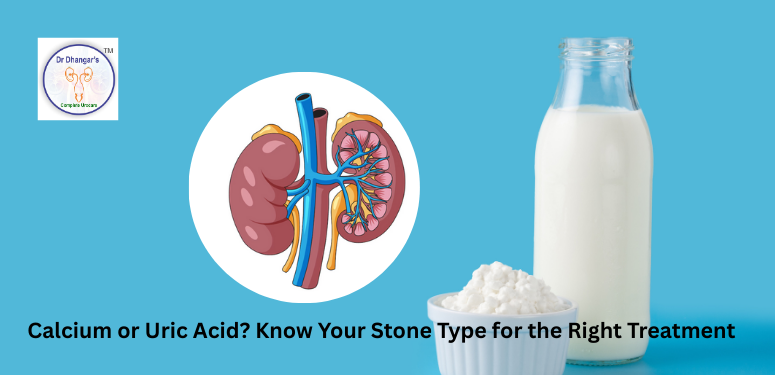
A frequent and excruciating urological ailment that affects people of all ages is kidney stones. However, not all kidney stones are the same. The two most common types—calcium stones and uric acid stones—require different approaches to treatment and prevention. For long-term relief and efficient management, it is essential to understand your stone type.
If you’re looking for expert guidance, consulting the Best Urologist and Kidney Stone Specialist in Swargate, Pune – Dr. Sanjay Dhangar can make all the difference.
Why Identifying Your Stone Type Matters
Kidney stone treatment is not “one-size-fits-all.”
Each stone type forms due to different metabolic or dietary factors. Treating a calcium stone like a uric acid stone—or vice versa—may lead to recurrence and complications.
Accurate diagnosis helps:
-
Choose the right treatment method
-
Prevent stone recurrence
-
Reduce pain and hospital visits
-
Improve kidney health long-term
Understanding Calcium Kidney Stones
Calcium stones are the most common type of kidney stones, usually made of calcium oxalate or calcium phosphate.
Causes of Calcium Stones:
-
High oxalate intake (spinach, nuts, chocolates)
-
Dehydration
-
Excess salt intake
-
Metabolic disorders
-
Certain medications
Symptoms:
-
Severe flank or back pain
-
Blood in urine
-
Burning sensation while urinating
-
Nausea or vomiting
Treatment Approach:
-
Increased water intake
-
Dietary modifications
-
Medications to reduce calcium or oxalate levels
-
Minimally invasive procedures like laser stone removal if needed
What Are Uric Acid Stones?
Uric acid stones form due to high uric acid levels in the urine and are more common in people with gout or metabolic syndrome.
Causes of Uric Acid Stones:
-
High-protein diet
-
Low urine pH (acidic urine)
-
Dehydration
-
Obesity
-
Diabetes
Symptoms:
Symptoms are similar to calcium stones but often recur if untreated.
Treatment Approach:
-
Alkalizing the urine
-
Reducing uric acid levels with medications
-
Lifestyle and dietary changes
-
Avoiding purine-rich foods
How Stone Type Is Diagnosed
Under the expert care of Dr. Sanjay Dhangar, kidney stone diagnosis includes:
-
Urine analysis
-
Blood tests
-
Ultrasound or CT scan
-
Stone analysis (if passed or removed)
This detailed evaluation helps design a personalized treatment plan for each patient.
Advanced Kidney Stone Treatment in Pune
With more than 18–20 years of experience treating complicated urological diseases, Dr. Sanjay Dhangar is a well-known consultant urologist in Swargate, Pune. He works in Vishwaraj Hospital in Loni Kalbhor, Pune, and Maharshi Nagar in Swargate.
His Expertise Includes:
His Expertise Includes:
-
Kidney stone disease (Urolithiasis)
-
Endourology & Laser stone treatment
-
Laparoscopic & Robotic Urology
-
Pediatric & Geriatric Urology
-
Men’s sexual health & infertility
-
Kidney transplantation
-
Uro-oncology & reconstructive urology
Patient-Centric Care You Can Trust
Dr. Dhangar is widely respected for his patient-centric approach, ensuring:
-
Clear explanation of diagnosis
-
Involvement of patients in decision-making
-
Use of the latest urology advancements
-
Compassionate and ethical care
His strong academic background—including MBBS, DNB (Surgery & Urology), MBA in Hospital Management, and advanced certifications in lifestyle medicine—adds depth to his clinical excellence.
Preventing Future Kidney Stones
No matter the stone type, prevention is key:
-
Drink 2.5–3 liters of water daily
-
Maintain a balanced diet
-
Reduce salt and processed foods
-
Follow medical advice strictly
-
Regular follow-ups with a urologist
Consult the Best Kidney Stone Specialist in Swargate, Pune
If you’re experiencing kidney stone symptoms or want expert evaluation, consult
Dr. Sanjay Dhangar – Best Urologist & Kidney Stone Specialist in Swargate, Pune.
Early diagnosis and the right treatment can protect your kidneys and improve your quality of life.